Plant-derived color solutions spanning the full visible spectrum — Curcumin yellow, Paprika orange-red, Beetroot red-pink, Chlorophyll green, Butterfly Pea blue, Annatto gold, and Blue Spirulina — botanical pigments for food, beverage, confectionery, nutraceutical, and cosmetic clean-label color innovation.
Plants produce pigments across the entire visible spectrum — from the deepest reds of beetroot and hibiscus to the brilliant blues of spirulina and butterfly pea. Each pigment class has unique chemical properties, stability profiles, and industry application characteristics.
Oil-soluble yellow-orange-red pigments — Curcumin, Paprika (Capsanthin), Annatto (Bixin), Lycopene. Heat-stable in dry formats.
Curcumin · Paprika · AnnattoWater-soluble red-violet pigments from beetroot — Betanin, Vulgaxanthin. Clean label pink-to-deep-red range across food and cosmetic applications.
Beetroot · Cactus PearWater-soluble pH-sensitive pigments spanning red through blue — Butterfly Pea, Hibiscus, Elderberry. Color shifts with pH change.
Butterfly Pea · Hibiscus · ElderberryGreen plant pigments — natural Chlorophyll and stabilized Chlorophyllin copper complex (E141). Heat-stable stabilized form for food processing.
Chlorophyll · ChlorophyllinProtein-bound microalgae pigments — Phycocyanin (blue) from Spirulina. The only naturally derived bright blue colorant from a plant source.
Blue Spirulina (Phycocyanin)Each color is standardized for pigment concentration, available in multiple physical formats (water-soluble, oil-soluble, emulsified, spray-dried), and supported by full E-number, stability, and application documentation for global market compliance.
curcumin-nc.jpg
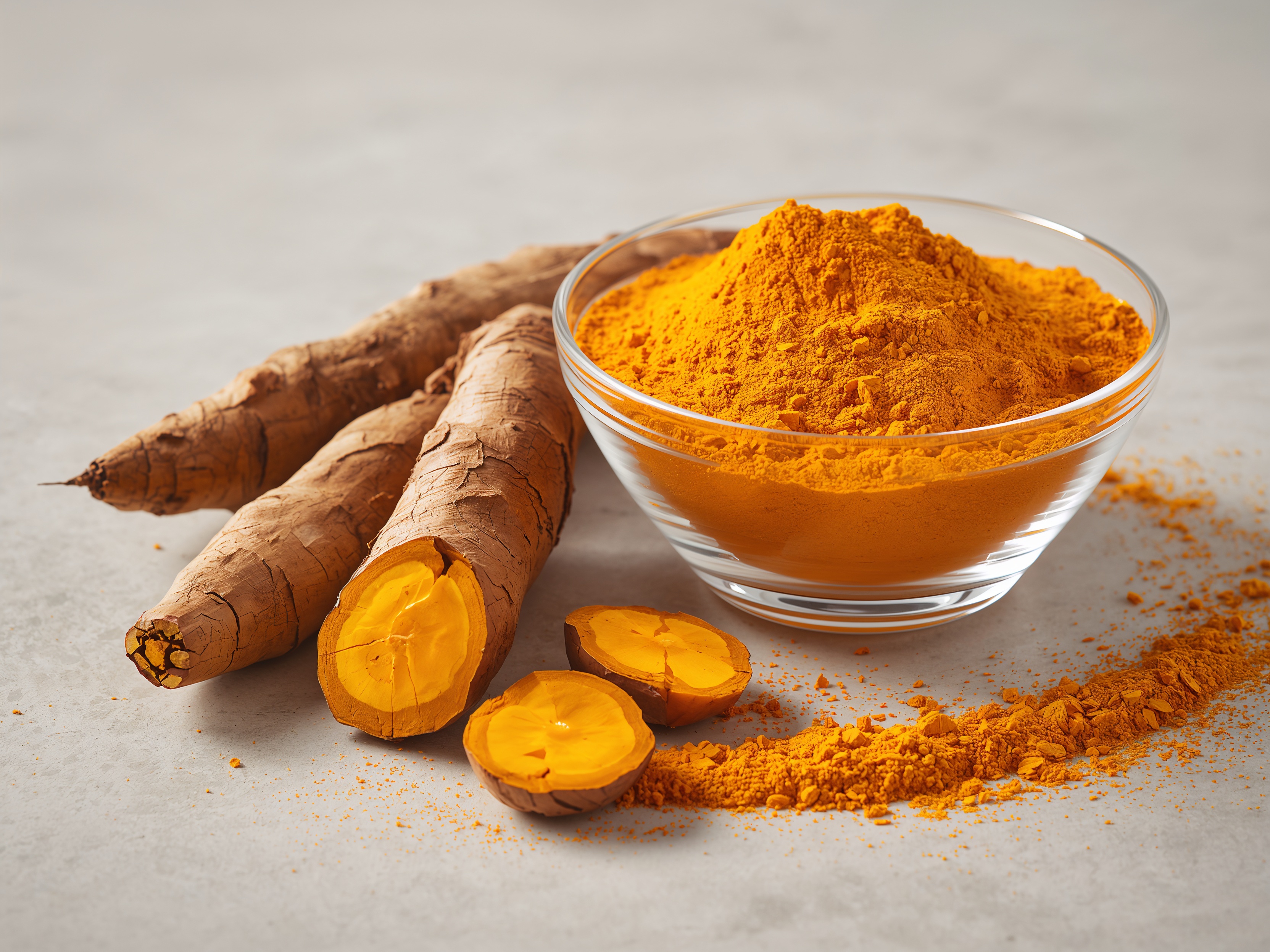
The world's most-used natural food colorant by volume. E100 permitted globally across food, beverage, nutraceutical, and cosmetic applications. Available in water-dispersible and oil-soluble formats for full formulation compatibility. Clean-label alternative to tartrazine (E102).
paprika-nc.jpg
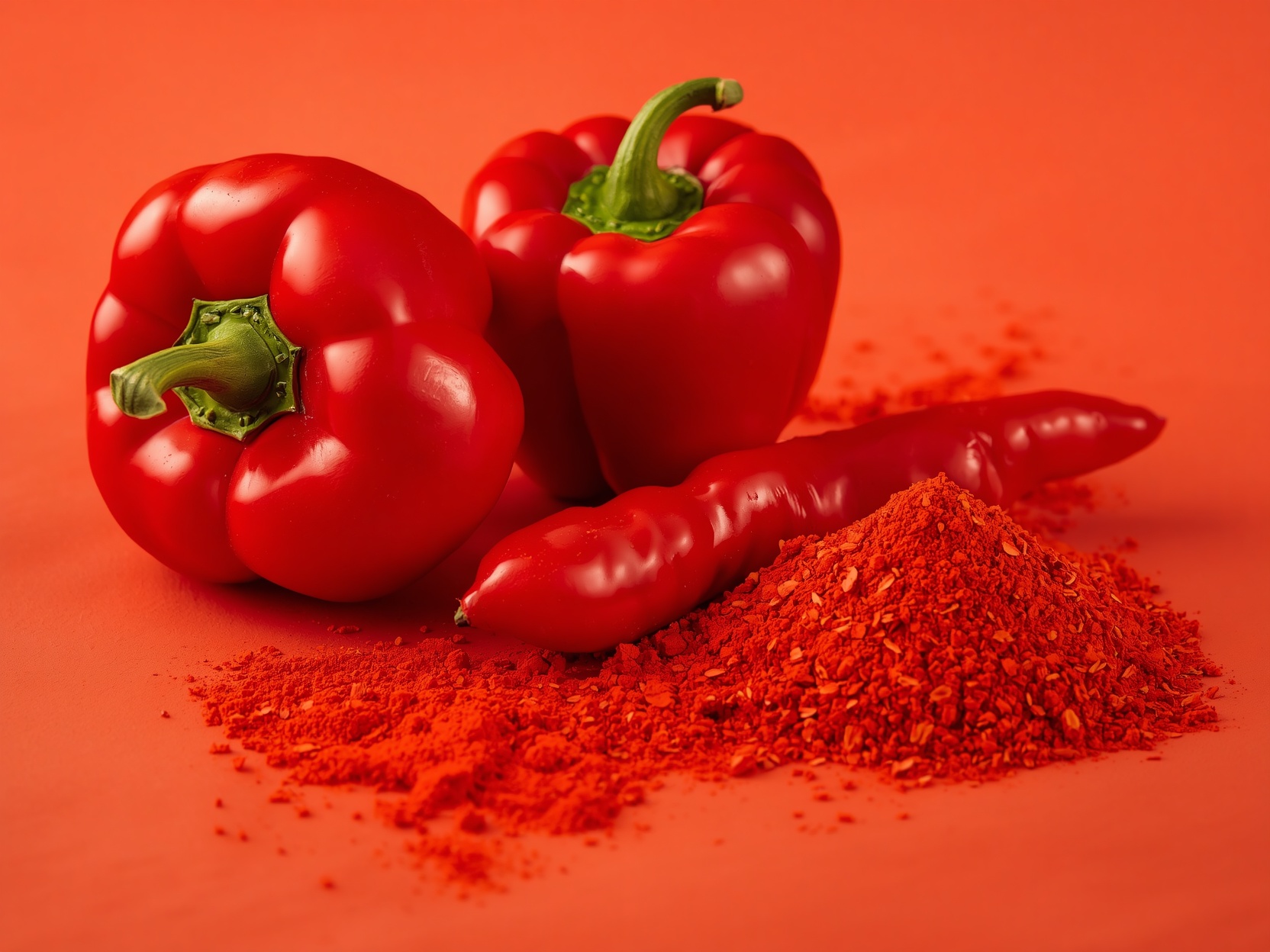
Capsanthin and capsorubin carotenoids from paprika deliver natural orange-red to deep red shades in oil-compatible systems. Available in calibrated Color Unit (CU) grades — 40,000 to 100,000+ CU — for industrial color matching precision. Dual-function color and mild spice character.
annatto-nc.jpg
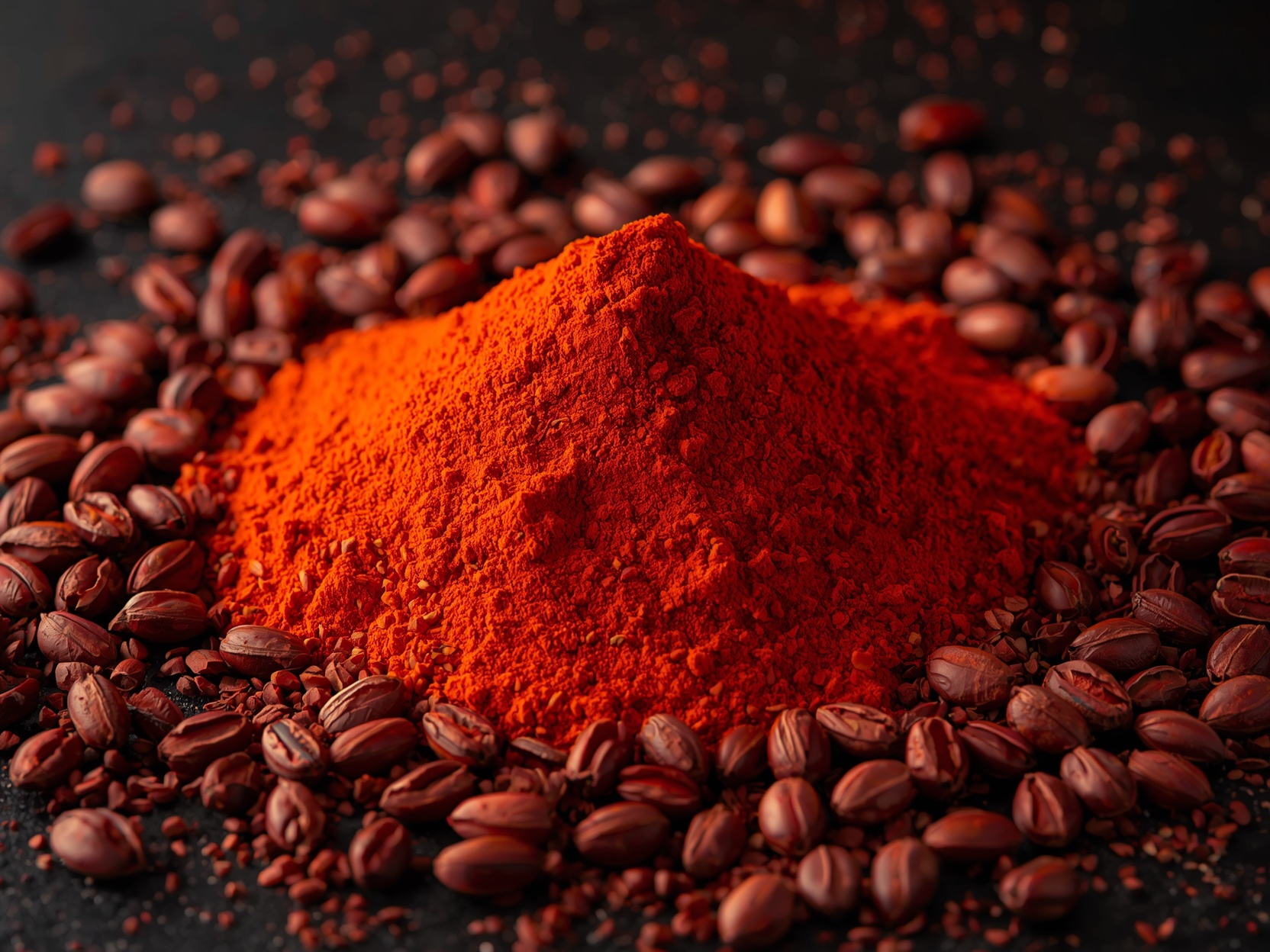
Dual-solubility natural orange colorant — oil-soluble bixin for fat-containing systems (cheese, butter, snacks) and water-soluble norbixin for aqueous applications (beverages, dairy drinks). The standard natural color in global cheese and dairy manufacturing (E160b).
beetroot-nc.jpg
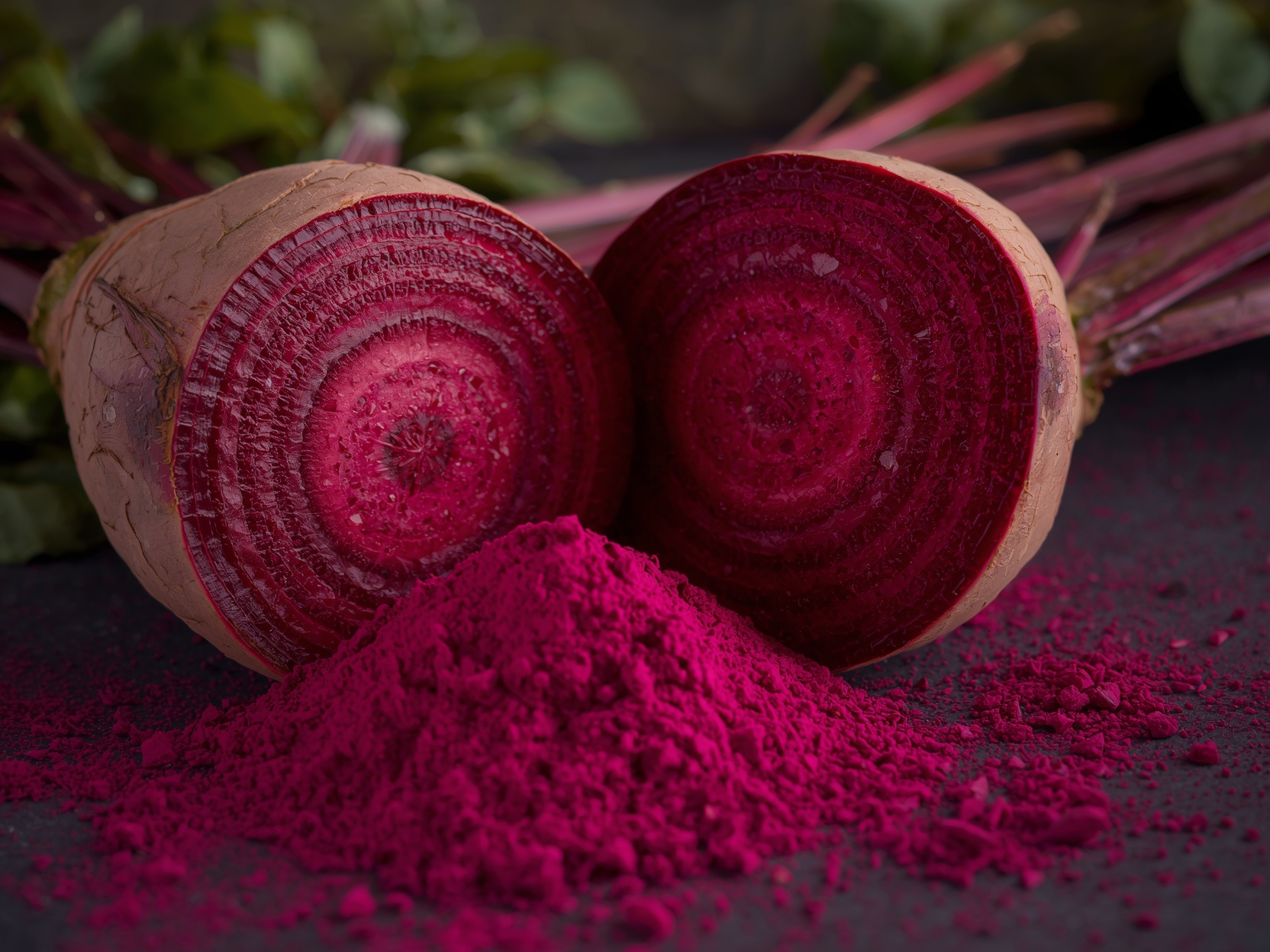
Betanin betalain pigment providing a full range from blush pink to deep red depending on concentration. Water-soluble in all formats. E162 globally recognized natural red — the most consumer-trusted plant red replacing carmine (insect-derived E120) and synthetic Allura Red (E129) across food, beverage, and confectionery.
hibiscus-nc.jpg
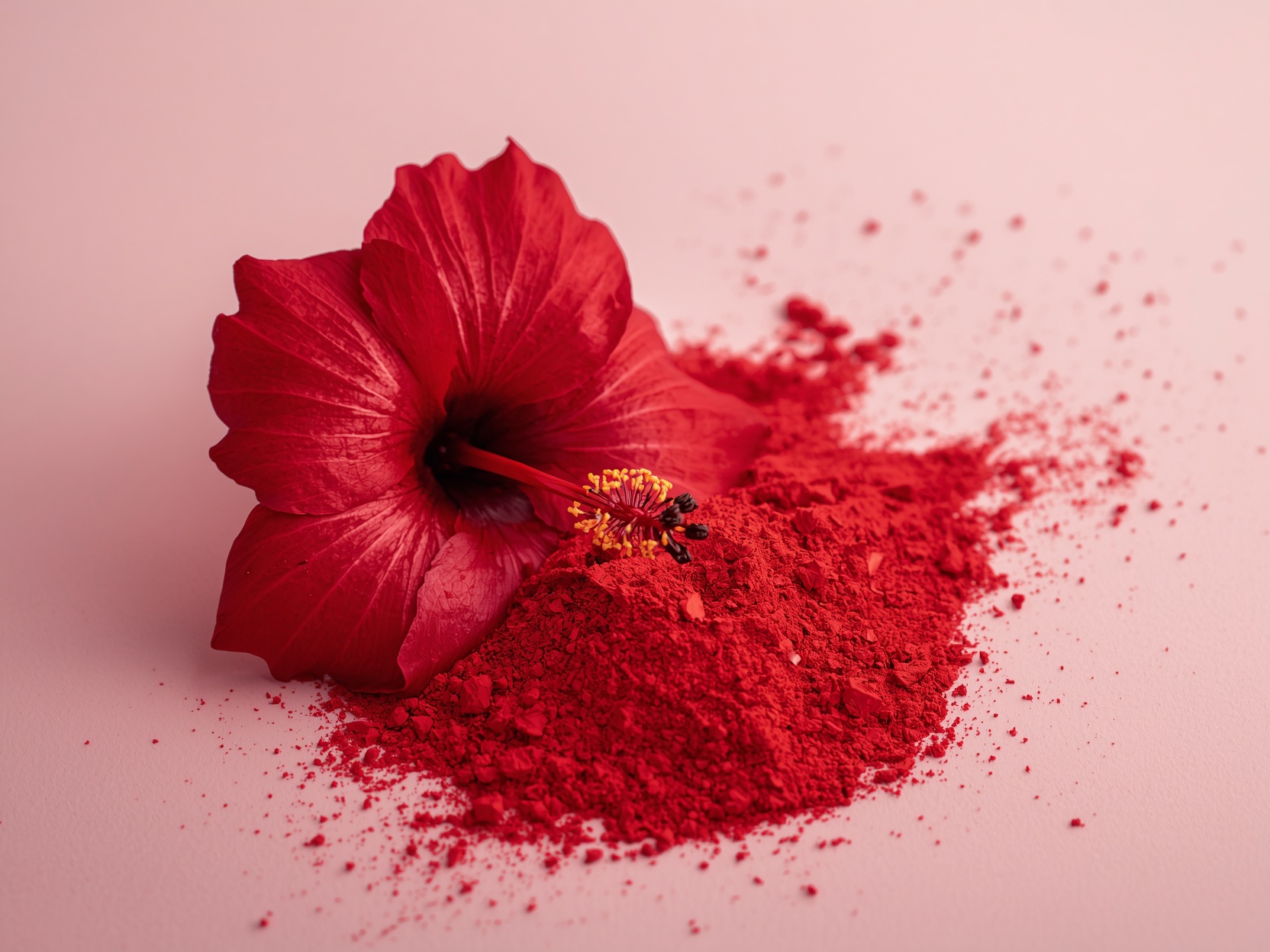
Anthocyanin-rich hibiscus providing vibrant ruby red-to-pink natural color with inherent tart floral flavor character. Dual-function color and taste ingredient for herbal tea beverages, functional drinks, and confectionery. Natural acidity from organic acid content reduces need for added citric acid in beverage systems.
chlorophyll-nc.jpg
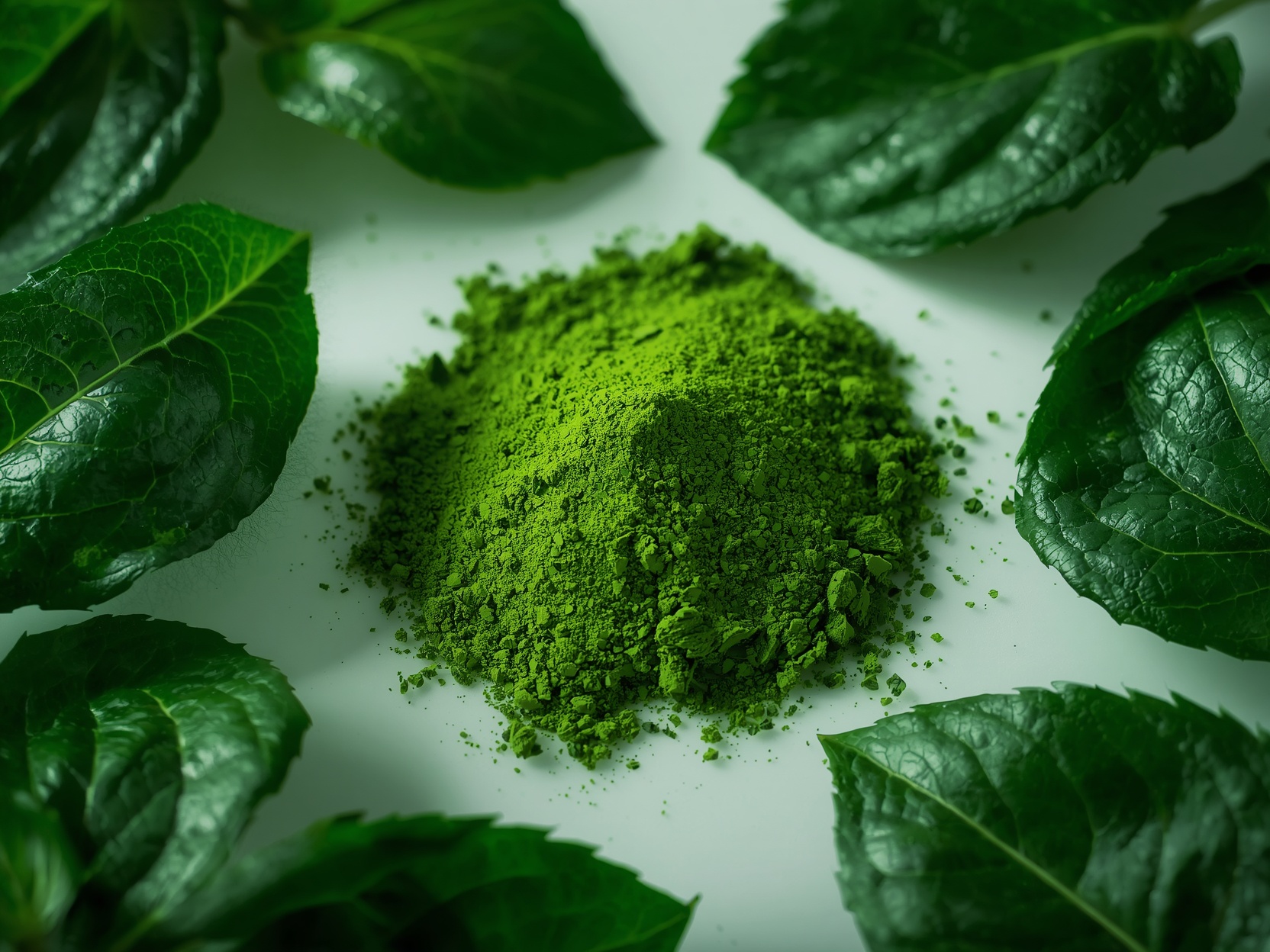
Natural Chlorophyll (E140) and heat-stable Chlorophyllin copper complex (E141) — the only natural green colorant for food processing that maintains vibrancy through pasteurization and baking. Available in water-soluble (chlorophyllin) format stable across pH 3–9. Replacing synthetic Green S (E142) and Fast Green (FCF).
moringa-color-nc.jpg
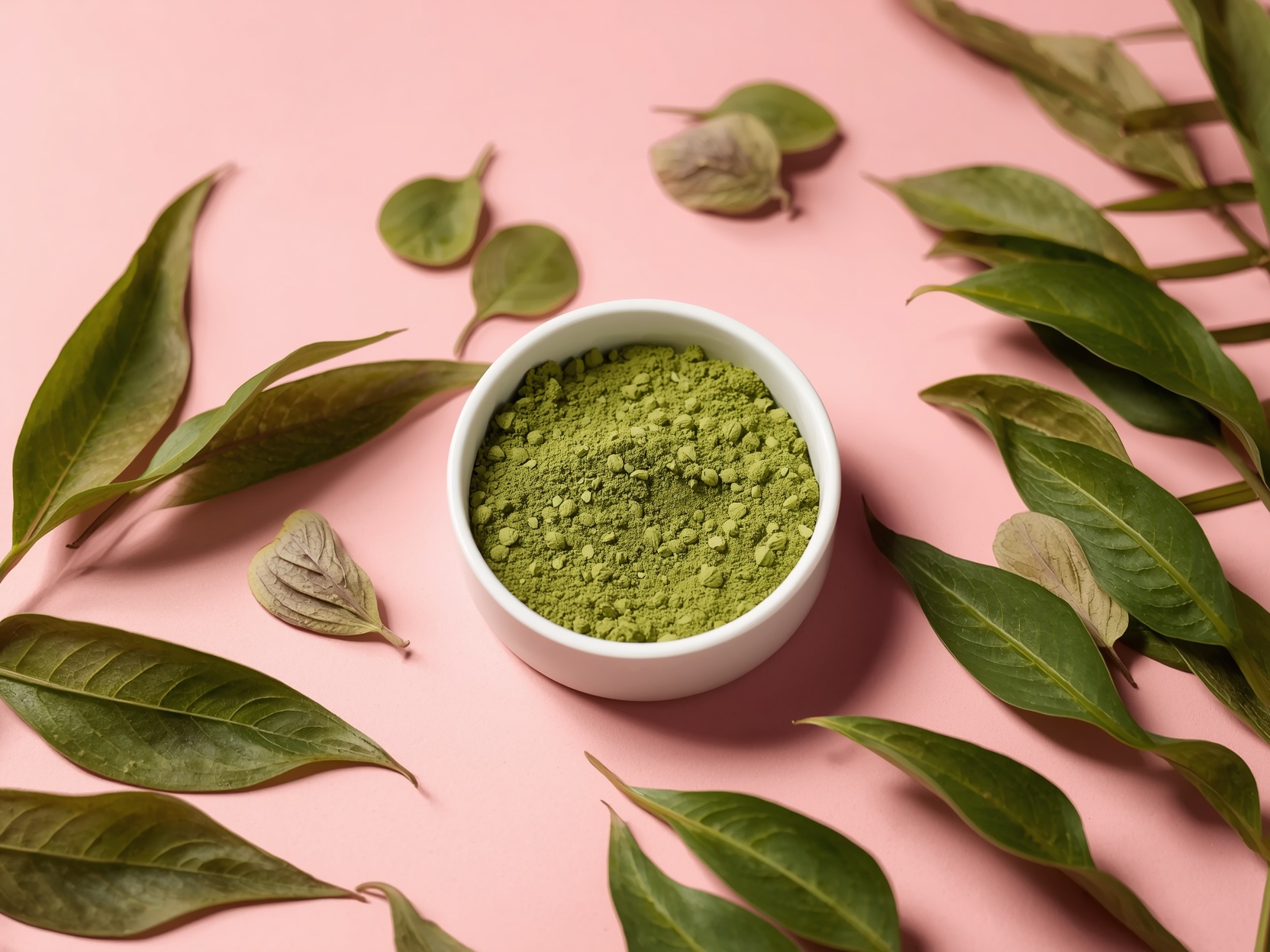
Moringa leaf powder provides natural muted green color alongside superfood nutrition positioning — chlorophyll-derived green for products where ingredient storytelling adds as much value as color. Used in natural green smoothie powders, botanical capsule fillings, green beauty products, and superfood-positioned functional foods.
butterfly-pea-nc.jpg
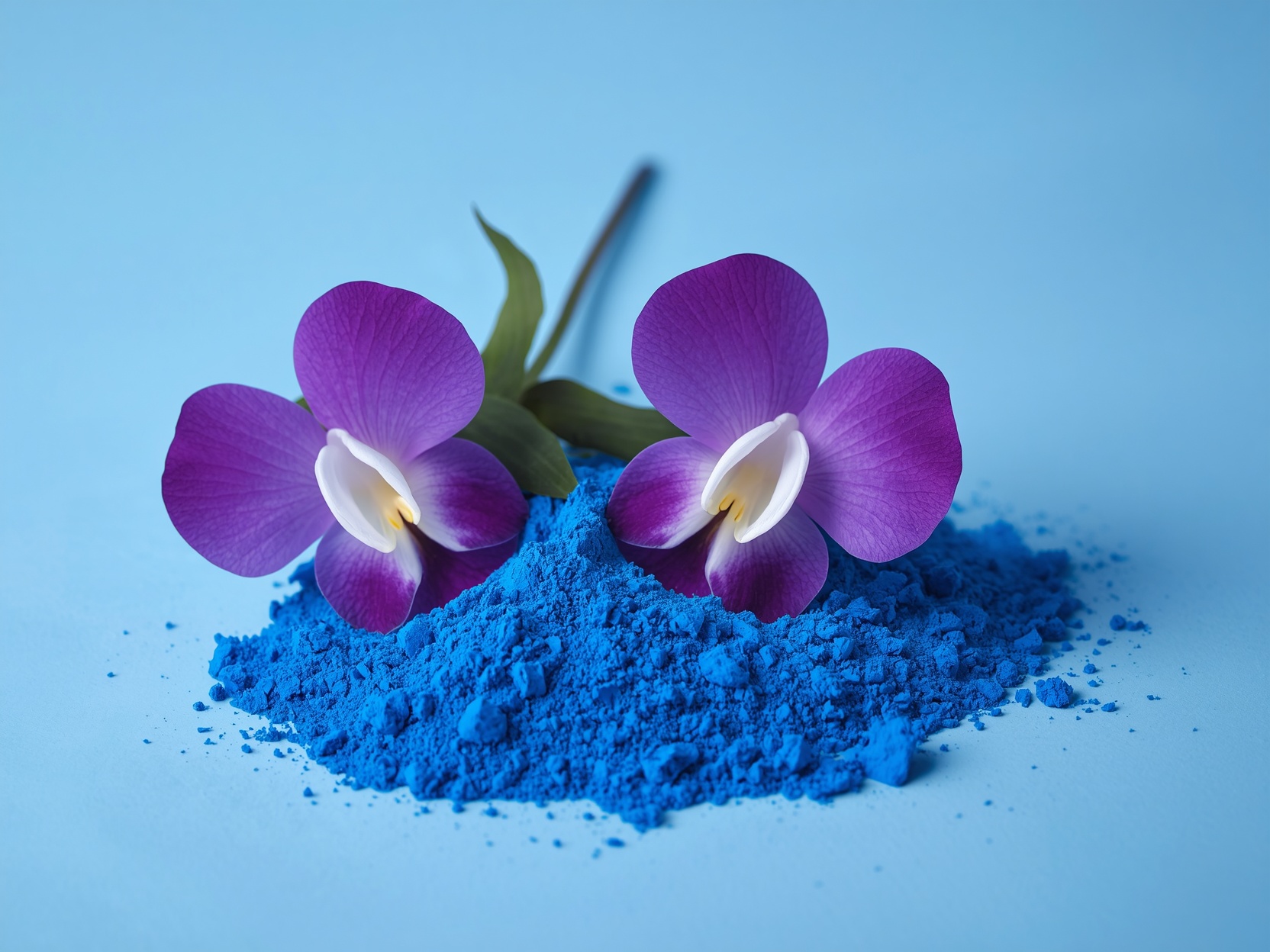
The most interactive natural color system available — ternatins shift from deep indigo-blue at neutral pH to vivid purple at mildly acidic pH and brilliant pink-red at low pH. One ingredient creates three distinct product color experiences. The defining botanical of color-changing beverage and confectionery innovation globally.
spirulina-color-nc.jpg
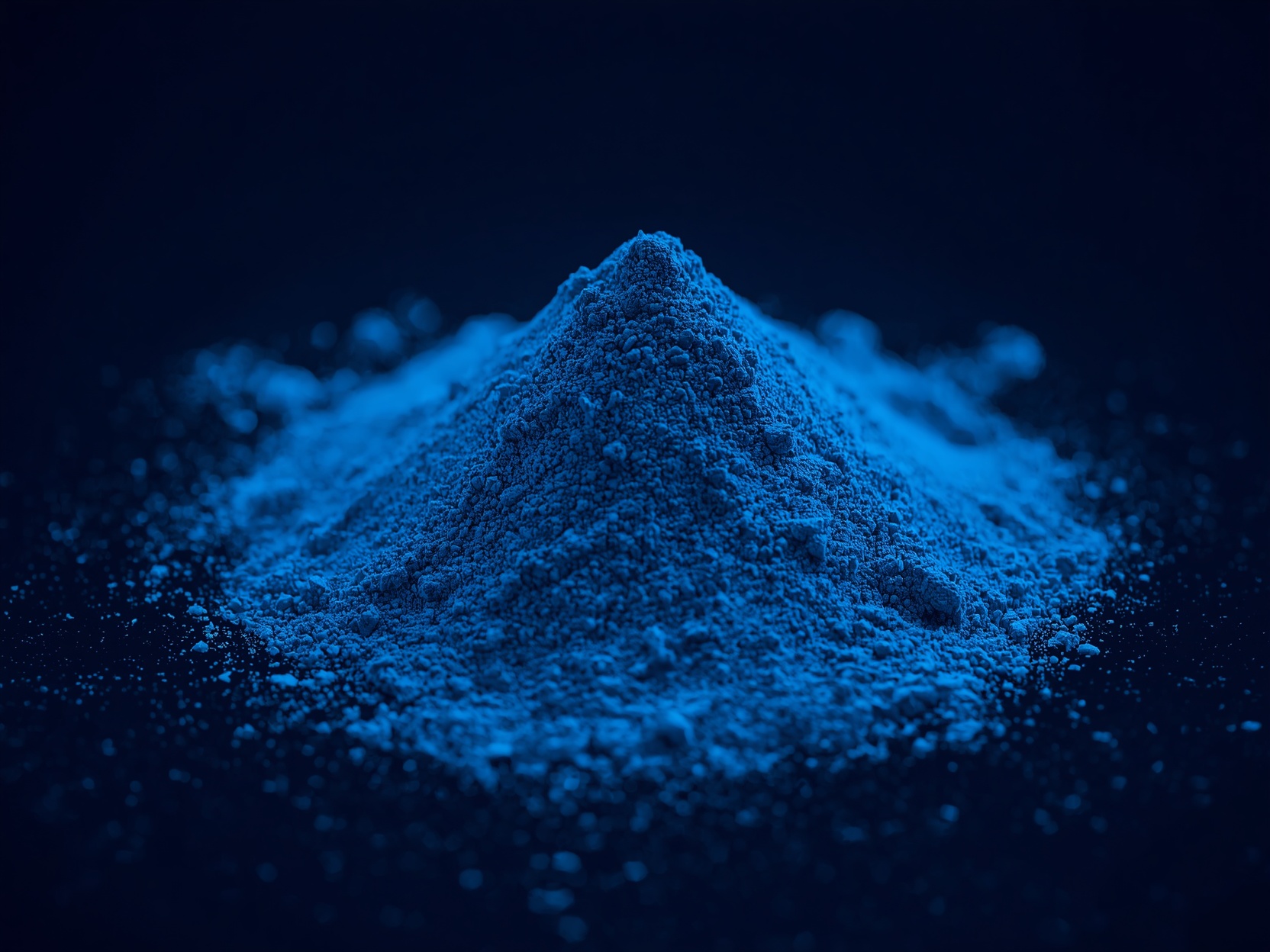
The most premium natural blue available — phycocyanin from spirulina microalgae provides a clear, vibrant turquoise-blue impossible to achieve from any other natural botanical source. The only genuinely plant-derived natural blue colorant. Replaces FD&C Blue No.1 and Brilliant Blue (E133) in clean-label products.
Stability characteristics vary significantly between natural color pigment classes. This reference matrix helps formulators select the right botanical color for their specific processing conditions, pH environment, and application format.
| Color | Heat Stability | Light Stability | pH Acid (3–4) | pH Neutral (6–7) | Water Soluble | Oil Soluble |
|---|---|---|---|---|---|---|
| Curcumin (E100) | Good (dry) | Sensitive | Dispersible | |||
| Paprika (E160c) | Good | Moderate | Oil only | |||
| Annatto (E160b) | Good | Moderate | Norbixin | Bixin | ||
| Beetroot Red (E162) | Moderate | Moderate | ||||
| Hibiscus | Moderate | Moderate | (best) | |||
| Chlorophyllin (E141) | Excellent | Good | ||||
| Butterfly Pea | Moderate | Moderate | (pink) | (blue) | ||
| Blue Spirulina | Heat-sensitive | Moderate | (best) |
The global natural color movement is accelerating — consumers want products where visual appeal, botanical origin, and transparency come together.
Replacing artificial color systems with botanical alternatives across food, beverage, and cosmetic categories — direct E-number substitutions where natural pigments match or exceed synthetic color performance.
Natural colors delivering visual appeal alongside botanical value — Curcumin coloring and providing antioxidant activity, Hibiscus coloring and contributing tart flavor, Moringa coloring and adding superfood nutrition positioning.
Developing responsible botanical color supply chains — responsible cultivation, traceable plant origins, and environmentally aligned botanical sourcing that satisfies the sustainability values of global brand partners.
Improving botanical color concentration, stability, and application possibilities through advanced extraction technologies — encapsulation, microencapsulation, and novel stabilization systems extending natural color performance limits.
Yellow through red through green through blue — the complete botanical color spectrum from one partner. Curcumin, Paprika, Annatto, Beetroot, Hibiscus, Chlorophyll, Butterfly Pea, and Blue Spirulina available in multiple physical formats for every industry application.
Standardized pigment concentration, calibrated Color Unit (CU) values for paprika and oleoresins, and spectrophotometric specification per batch — the consistent, predictable color performance industrial product development requires.
Understanding that food, beverage, confectionery, nutraceutical, and cosmetic applications require different color formats, stability profiles, and performance characteristics — solutions developed for each industry's specific formulation needs.
We focus on unlocking the natural beauty hidden within plants — understanding each pigment's botanical origin, stability characteristics, and application potential to match the right botanical color to every product and processing challenge.
E-number compliance data, COA, TDS, color specifications, and global market regulatory support — complete documentation enabling natural color adoption across EU, US, Middle East, and APAC market regulatory environments.
Natural colors from one innovation partner that also provides botanical extracts, oleoresins, and essential oils — simplifying supplier relationships and enabling co-development of color + flavor + function botanical ingredient systems.
| Industry / Format | Recommended Natural Colors & Formulation Guidance |
|---|---|
| Food — Snacks & Seasonings | Paprika oleoresin (oil-soluble red-orange, calibrated CU) for snack coatings and seasonings; Curcumin (yellow) for turmeric-flavored snack products; Annatto bixin (oil) for cheese-flavored and dairy-adjacent snack systems |
| Food — Bakery & Confectionery | Curcumin water-dispersible (yellow sponges, custard); Beetroot Red (pink-red gummies, candy); Butterfly Pea (color-shifting confectionery); Chlorophyllin E141 (heat-stable green for baked products passing pasteurization temperatures) |
| Beverages — RTD & Functional | Butterfly Pea (interactive color-change drinks, blue-to-pink on citrus addition); Hibiscus (ruby red herbal RTD with natural flavor); Blue Spirulina (cold-fill premium blue); Curcumin dispersible (golden wellness drinks); Beetroot (pink functional beverages) |
| Dairy & Alternatives | Annatto E160b — the global standard for cheese and butter natural coloring; Curcumin (yellow dairy); Beetroot Red (pink yogurt, dairy-alternative desserts); Chlorophyllin (green dairy alternative beverages and products) |
| Nutraceuticals & Supplements | Curcumin (yellow capsules, gummies); Beetroot Red (pink-red gummies, capsule shell coloring); Blue Spirulina (blue capsule coloring); Chlorophyllin (green supplement products); Annatto (orange-gold gummy visual identity) |
| Cosmetics & Personal Care | Curcumin oil-soluble (lip balm, body care golden tint); Beetroot Red (natural lip and blush color — carmine E120 vegan replacement); Annatto bixin (bronzer, foundation tone); Chlorophyllin (natural toothpaste, green face mask coloring) |
| Color-Change Innovation | Butterfly Pea + citrus system (blue base → pink on lemon/lime addition in beverages and gummies); Butterfly Pea + pH-buffer systems for controlled multi-shade color outcomes; combine with Hibiscus for deeper red-pink endpoint shades |
Dhanvantreya Biotech supplies plant-derived natural color solutions — Curcumin, Paprika, Annatto, Beetroot, Hibiscus, Chlorophyll, Butterfly Pea, Blue Spirulina — in calibrated, standardized formats with E-number compliance documentation and multi-industry application support for food, beverage, nutraceutical, and cosmetic clean-label color innovation.